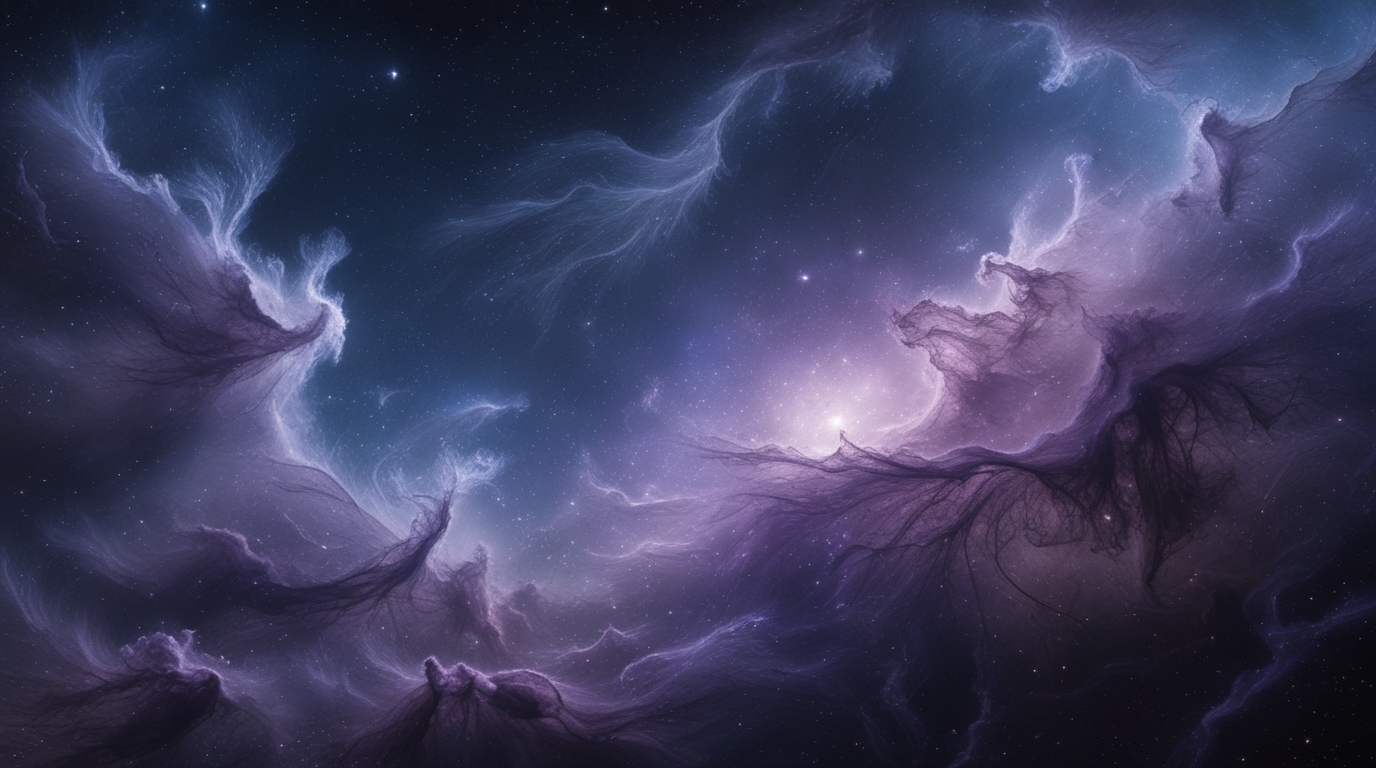
What Is a Reflection Nebula?
A reflection nebula is one of the most breathtaking and mysterious objects found in the universe, known for its soft, glowing appearance created by starlight scattering off interstellar dust. Unlike emission nebulae, which shine brightly due to their gas being energized by stars, reflection nebulae do not produce their own light. Instead, they act like enormous cosmic mirrors, reflecting the light of nearby young, hot stars.
This reflective process gives these nebulae a stunning blue hue, a result of shorter blue wavelengths scattering more efficiently than red light—similar to the effect that makes Earth’s sky appear blue. Understanding reflection nebulae provides insight into star formation, cosmic dust composition, and the behavior of light in the vast, dense regions of space.
How Reflection Nebulae Form in the Cosmos
Reflection nebulae form within dense molecular clouds composed of hydrogen, dust grains, and various interstellar particles. These clouds often serve as stellar nurseries, where new stars are born. When these newly formed stars are not hot enough to ionize the surrounding gas—but bright enough to illuminate the dust—they create a reflection nebula. The nebula does not emit energy of its own; instead, it depends entirely on the radiance of nearby stars.
The scattered light reveals the otherwise invisible dust and gas, displaying delicate textures and patterns. Over time, gravitational forces reshape these clouds, allowing the nebula to evolve, expand, or disperse. The formation of a reflection nebula also signals a crucial stage in stellar development, often highlighting areas where stars are in their early stages of life.
Why Reflection Nebulae Glow Blue
One of the defining characteristics of reflection nebulae is their iconic blue color. This phenomenon occurs due to a process known as Rayleigh scattering, where dust particles scatter short-wavelength blue light more effectively than long-wavelength red light. As a result, when starlight interacts with interstellar dust particles, the blue light becomes more visible to observers—creating the ethereal glow that reflection nebulae are known for.
The size, composition, and density of dust particles influence how the light is scattered. Typically, the grains consist of silicates, carbon-based compounds, and ices, all of which play unique roles in producing the nebula’s visual appearance. The striking blue illumination not only makes these nebulae visually captivating but also provides astronomers with clues about the nature of interstellar dust.
Famous Examples of Reflection Nebulae
Several reflection nebulae across the universe have captured the attention of astronomers and stargazers. The Pleiades Reflection Nebula, surrounding the Seven Sisters star cluster, is one of the most recognized examples. Its shimmering blue glow has fascinated observers for centuries. Another famous example is the Witch Head Nebula, illuminated by the nearby star Rigel, which gives the nebula its eerie, face-like appearance. The Iris Nebula showcases soft blue accents contrasted against dark dust clouds, highlighting the delicate structure of reflection nebulae. Each of these nebulae offers valuable insight into dust properties, star formation, and the dynamics of interstellar material. Their visibility across different wavelengths helps researchers determine dust grain sizes, density levels, and the surrounding environmental conditions.
The Role of Reflection Nebulae in Star Formation


Reflection nebulae often form near young stars, making them important signposts for early stellar development. These nebulae highlight regions where stars have recently emerged from their dusty cocoons but are not yet powerful enough to ionize the surrounding gas. The illuminated dust surrounding them acts as a gateway to understanding the earliest phases of stellar evolution. Within these nebulae, astronomers can observe jets, outflows, and proto-stellar disks that play essential roles in shaping new stars. By analyzing the scattered light patterns, researchers can piece together the physical processes happening within the dense clouds. These observations also help uncover how dust grains evolve, grow, and eventually contribute to the formation of planets and other celestial objects.
Dust Composition and Its Influence on Reflection Nebulae
The structure and appearance of a reflection nebula depend heavily on the size and composition of the dust grains within it. Interstellar dust is composed of tiny particles smaller than smoke particles, including silicates, graphite, amorphous carbon, and ice-coated grains. These particles absorb and scatter starlight in varying degrees, creating the soft diffuse glow that characterizes reflection nebulae. The chemical composition can alter how the nebula appears in visible, infrared, and ultraviolet wavelengths.
Observing the light scattering patterns also allows scientists to determine how dust grains are distributed within the cloud. Dust grains are essential components of the cosmic ecosystem; they provide the raw materials from which planets and other solid bodies eventually form. Reflection nebulae illuminate these grains, giving astronomers a rare glimpse into the fundamental building blocks of the universe.
How Reflection Nebulae Differ From Other Nebula Types
In the grand tapestry of cosmic objects, reflection nebulae hold a unique place. Unlike emission nebulae, which glow due to ionized gases emitting light, reflection nebulae shine only by reflected light from nearby stars. Dark nebulae, on the other hand, are dense clouds of dust that block starlight entirely and appear as black patches against the starry background. Some nebulae exhibit both emission and reflection characteristics, known as combination nebulae.
Understanding these differences is crucial for classifying cosmic objects and identifying their roles in the star formation cycle. Reflection nebulae provide insight into areas where star formation is underway but not yet powerful enough to energize the gas around them. Their presence often indicates the transitional stage between dark molecular clouds and fully illuminated star-forming regions.
Observing Reflection Nebulae From Earth
Reflection nebulae are often visible through telescopes, especially in regions with minimal light pollution. Amateur astronomers can spot them by looking for soft, glowing blue patches surrounding star clusters or bright stars. The Pleiades cluster is one of the easiest examples to observe with binoculars or a small telescope. For deeper, more detailed observations, astrophotographers use long-exposure imaging to capture the faint scattered light. Space-based telescopes such as Hubble and the James Webb Space Telescope reveal intricate structures, dust lanes, and hidden details that are otherwise impossible to detect from Earth. These observations help astronomers study the motion, density, and composition of interstellar dust in remarkable detail, contributing to our broader understanding of the cosmos.
Scientific Importance of Reflection Nebulae
Reflection nebulae provide more than aesthetic beauty—they offer essential scientific insights. By studying how dust scatters starlight, astronomers can determine dust grain sizes, observe the early phases of star formation, and analyze the composition of interstellar material. The polarized light reflected from dust grains allows researchers to map magnetic fields within molecular clouds. These magnetic fields influence star formation by guiding collapsing gas and dust. Reflection nebulae also play a role in the life cycle of interstellar matter; they mark transitional regions where stars and planetary systems begin to form. Each observation adds to our understanding of how matter evolves over billions of years.

The Future of Reflection Nebula Research
With advances in telescope technology, our ability to study reflection nebulae continues to grow. Modern infrared and ultraviolet imaging tools allow astronomers to see through thick layers of cosmic dust that once obscured critical details. The James Webb Space Telescope, in particular, has opened new doors for observing the coldest, darkest regions of space where reflection nebulae often exist. Future missions will likely reveal new nebulae, uncover hidden structures, and refine our understanding of star formation. As technology improves, reflection nebulae will remain essential cosmic laboratories for studying the earliest stages of stars and planets.
Conclusion
Reflection nebulae stand as some of the most enchanting and informative structures in the cosmos. Their shimmering blue glow, sculpted by cosmic dust and the light of young stars, reveals the delicate interplay between light, matter, and gravity. These nebulae not only captivate observers with their ethereal beauty but also open windows into the earliest stages of star formation. By studying them, astronomers uncover vital information about dust composition, stellar evolution, and the mechanics of the universe itself. As technology continues to advance, our understanding of reflection nebulae will deepen, allowing us to appreciate even more of their cosmic secrets and the breathtaking beauty they bring to the galaxy.