


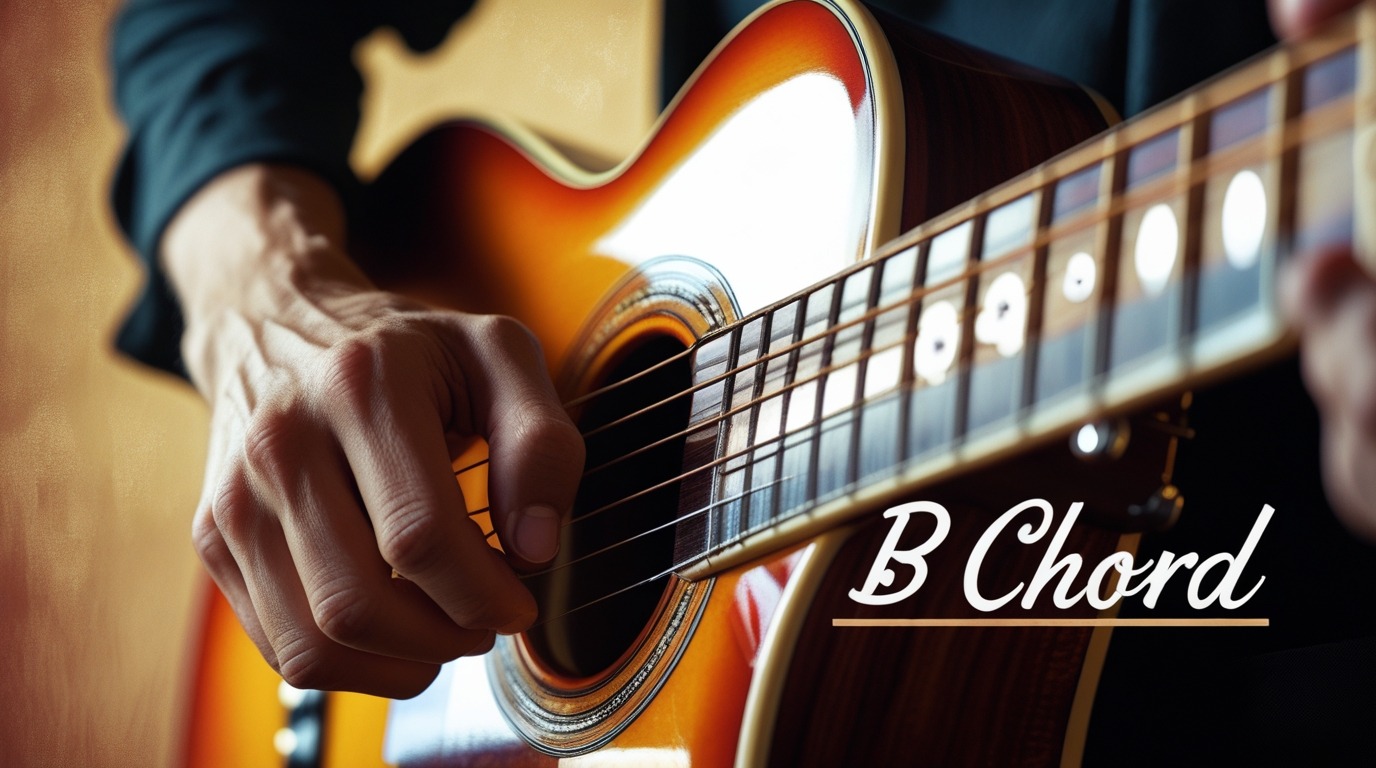
Introduction to the B Chord
Music is a language that connects emotion, energy, and creativity. Among the many sounds that bring this language to life, the B chord stands as a bold and beautiful expression of strength. For guitarists and pianists alike, it represents both challenge and charm. It’s one of those chords that beginners often find tricky, but once mastered, it opens the door to hundreds of songs and countless creative possibilities. Understanding how to play and feel the B chord can transform a simple melody into something memorable, giving depth and power to your music.
What Makes the B Chord So Important
The B chord holds a special place in music theory and performance because of its versatility. It’s commonly found in pop, rock, jazz, and classical compositions. This chord carries a bright and rich tone that blends perfectly with both major and minor progressions. Its structure makes it a key component in transitions, often creating emotional tension or resolution. Musicians value the B chord for its ability to add sophistication to any song, making it a vital building block in both rhythm and harmony. Whether strummed on a guitar or played on a piano, its impact is always undeniable.
Understanding the Theory Behind the B Chord
To truly master the B chord, one must first understand its structure. In its basic form, it’s composed of the notes B, D♯, and F♯. These three notes form what musicians call a triad—a major chord that sounds both confident and uplifting. The interval between these notes gives the chord its distinctive character. In music theory, the B major chord serves as the fifth degree in the E major scale and the fourth degree in the F♯ major scale, allowing it to function in multiple harmonic contexts. By learning how the B chord fits within these scales, players can easily move through chord progressions with greater awareness and control.
Playing the B Chord on Guitar
For guitarists, the B chord is often one of the first real challenges they face. The standard version requires barring the second fret and creating a shape similar to the A major chord—but one fret higher. It can be tough at first because it demands finger strength and precision. The index finger must press down multiple strings at once while other fingers form the correct notes on the fourth, third, and second strings. Many beginners avoid it initially, but consistent practice makes it easier over time. Once mastered, the B chord becomes a favorite because it sounds powerful and full, especially when strummed cleanly.


Alternative Fingerings and Variations
Not all players use the same shape when playing the B chord. Some prefer alternative voicings that make transitions smoother or reduce finger strain. For example, a popular variation is the B7 chord, which adds an A note to give it a bluesy flavor. Others use open versions that include muted strings to create a softer sound. For advanced players, jazz or barre versions can be explored to achieve different tonal colors. These variations allow musicians to express emotion more freely. By experimenting with these shapes, you’ll discover new ways to make the B chord fit perfectly into your playing style.
How to Play the B Chord on Piano
On the piano, the B chord offers clarity and resonance. It’s played using the right hand with B, D♯, and F♯ notes—usually with the thumb, middle finger, and pinky. Inversion is also a key concept for pianists; the notes can be rearranged to suit different melodies or accompaniment styles. For instance, placing D♯ or F♯ in the bass can change the emotional feel of the music without altering the chord’s identity. Pianists often use the B chord in ballads, worship songs, and pop pieces because it sits beautifully between softer chords and higher melodies.
Transitioning Smoothly Between Chords
Transitioning between chords is one of the biggest hurdles in learning music. The B chord plays a significant role in building smooth progressions. It often connects to chords like E major, G♯ minor, and F♯ major, forming progressions that sound natural and expressive. For guitarists, moving from A or E to the B chord can seem difficult at first, but with focused repetition, it becomes seamless. Pianists can practice moving between inversions to maintain fluidity. The key is to maintain consistent hand positioning and rhythm. Once transitions become effortless, the B chord will flow beautifully in any progression.
Songs That Feature the B Chord
Many iconic songs feature the B chord, showcasing its musical importance. From timeless classics to modern hits, it adds color and depth to different genres. You’ll hear it in rock anthems, soulful ballads, and even country tracks. In pop music, it’s often used to create emotional bridges or strong choruses. Famous artists have built entire melodies around its structure because of its unique energy. Learning songs that use the B chord helps players understand how versatile and dynamic it can be. Each time you encounter it, you’ll recognize how it enhances the emotion and texture of the music.
Common Challenges and How to Overcome Them
Many beginners struggle with the B chord because of its demanding finger placement, especially on the guitar. Barre chords require hand strength and flexibility, and pressing the strings evenly can take time. The best way to overcome this is through slow, consistent practice. Start with partial chords or simplified versions, then gradually build up to the full shape. On piano, the challenge often lies in finger coordination and timing. Breaking the chord into smaller movements can help. Remember that progress takes patience; every musician has faced the same challenge. Once you conquer the B chord, your confidence and skill will grow tremendously.
The Sound and Emotion Behind the B Chord
Every chord carries an emotional signature, and the B chord is no exception. Its sound is bright, powerful, and optimistic. When played softly, it conveys calmness; when struck with force, it evokes strength and triumph. This dual nature makes it suitable for a wide range of songs and moods. Songwriters often use it to build tension before resolving to a gentler chord, or to emphasize a chorus or climax. The versatility of the B chord allows it to serve both as a foundation and a highlight, enriching the emotional landscape of any composition.
Practicing the B Chord with Purpose
Practice is the bridge between learning and mastery. To master the B chord, focus on accuracy, tone, and timing. Start slow, making sure every note rings clearly. Then increase your speed while maintaining consistency. Use a metronome to develop rhythm and switch between chords to improve fluency. On guitar, strengthen your barre technique by pressing lightly first, then gradually adding pressure. On piano, practice arpeggios to improve coordination. Set short daily goals—like clean transitions or stronger finger placement—and track your improvement. Over time, the B chord will become second nature.

Advanced Techniques and Creative Uses
Once comfortable with the basics, you can explore advanced ways to use the B chord. Experiment with suspended (Bsus2, Bsus4) and diminished forms for added tension and color. Try fingerpicking patterns on guitar or syncopated rhythms on piano. These small changes make your music more dynamic. In composition, alternate between B chord variations to add movement and complexity. Using effects like reverb or delay can make it sound larger and more atmospheric. The beauty of this chord lies in how adaptable it is—you can shape it to fit any genre or mood.
Integrating the B Chord into Songwriting
For songwriters, the B chord is a key ingredient in creating emotional connection. It can serve as a bridge between contrasting sections or add a surprising twist to a melody. In many popular songs, it appears in progressions like E–B–C♯m–A, adding strength and flow. Using it strategically can elevate a song from ordinary to memorable. Its rich tonal quality also makes it perfect for transitions, giving a sense of anticipation or release. When writing lyrics, matching the B chord with uplifting or powerful moments enhances emotional impact, making the audience feel the depth of your music.
Learning to Feel the Music
Beyond technique, playing the B chord is about feeling. Music isn’t just mechanical—it’s emotional storytelling through sound. When you press those strings or keys, think about the emotion you want to convey. Whether it’s joy, determination, or nostalgia, let the chord guide you. Every musician develops a personal connection to certain sounds, and the B chord often becomes one of them. When you truly feel it, your playing becomes expressive, your timing more natural, and your sound more alive. That emotional connection turns practice into art.
Tips for Guitarists and Pianists
If you’re a guitarist, make sure your hand and wrist are relaxed while playing the B chord. Keep your thumb behind the neck and avoid unnecessary tension. For pianists, keep your fingers curved and play from the wrist to maintain smoothness. Regardless of the instrument, remember to focus on rhythm. Practice with backing tracks or metronomes to develop confidence. Don’t rush your learning—mastery of the B chord comes through patience and repetition. Celebrate small victories, like playing it cleanly or transitioning smoothly, because those moments build real progress.
Building Confidence Through Repetition
Confidence in music comes from consistent practice. The B chord might seem intimidating at first, but repetition transforms difficulty into ease. Set aside a few minutes each day to work exclusively on this chord. With time, your fingers will memorize the shape, and your ears will recognize its sound instantly. Record your practice sessions and listen to your improvement. The moment you realize you can switch to and from the B chord effortlessly, you’ll know your dedication has paid off.
The Universal Power of the B Chord
Across instruments, cultures, and genres, the B chord resonates with universal appeal. It embodies clarity, emotion, and balance. Musicians from every background appreciate its ability to connect melodies and inspire creativity. Its sound carries both authority and warmth, making it a cornerstone of musical harmony. Whether played in a quiet studio or on a concert stage, the B chord unites players and listeners through shared emotion. It reminds us that music’s true power lies not in complexity, but in the feelings it evokes.
Conclusion
The story of mastering the B chord is one of patience, persistence, and discovery. It teaches musicians the value of focus and the beauty of progress. What begins as a struggle eventually becomes a triumph, transforming frustration into confidence. This chord represents growth—not just in music but in mindset. Its tone carries strength, clarity, and harmony, mirroring the musician’s own journey toward excellence. Whether you’re strumming your first guitar or composing your next song, let the B chord remind you that every note, when played with heart, has the power to move the soul.