Introduction
When the coronavirus pandemic began, every industry faced unprecedented challenges, and the real estate development sector was no exception. Brookfield Residential Coronavirus, one of North America’s leading land developers and homebuilders, entered a period of extreme uncertainty. From construction delays to new safety regulations, shifting buyer behavior, remote-work demands, and economic instability, the company had to adapt quickly to survive. The pandemic became a defining period in which Brookfield Residential Coronavirus reshaped its operations, reinvented its customer experience, and transformed its long-term business strategies. The following article explores how Brookfield Residential Coronavirus navigated the coronavirus era, the obstacles it encountered, the innovations it introduced, and the broader implications for the future of housing and community development.
The Immediate Impact of the Coronavirus Outbreak
As the virus spread across the world, Brookfield Residential Coronavirus was confronted with sudden shutdowns, restricted construction activity, and severe disruptions in supply chains. Materials that typically arrived within days suddenly took weeks or months, causing project delays across many of the company’s communities. Construction crews had to work under strict health guidelines, including reduced staffing on sites, mandatory distancing, and safety equipment requirements. Although the company managed to continue building in some regions, overall productivity dropped dramatically during the early months. The uncertainty surrounding the economy also slowed home-buying activity as many families postponed major financial decisions. Yet, even with these difficulties, Brookfield Residential Coronavirus focused on stabilizing operations and protecting its workforce.
Health and Safety Measures at Construction Sites
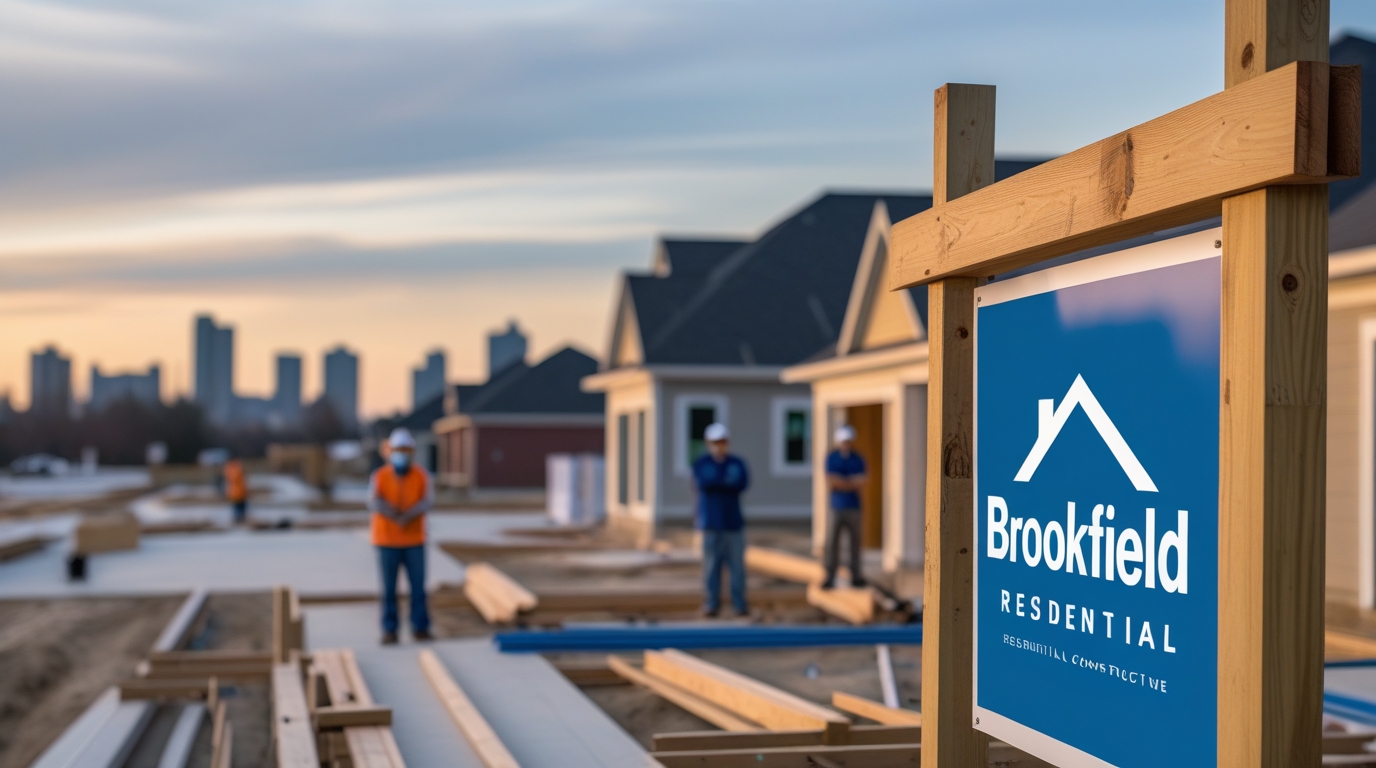
A major shift occurred within Brookfield Residential Coronavirus’s operations as health and safety moved to the forefront of every activity. The company rolled out rigorous protocols across all communities and construction zones. Workers were required to undergo daily screening, temperature checks, and were directed to maintain distance while working. Shared tools were sanitized regularly, and work rotations were introduced to reduce the number of people on a site at one time.
Meetings that once took place in person were moved outdoors or transitioned to digital formats. These changes not only kept employees safer but also ensured that projects could continue moving forward despite the restrictions. The company’s ability to adopt these measures quickly helped maintain momentum in a challenging environment.


Digital Transformation of the Home-Buying Experience
One of the biggest adaptations during the coronavirus era was the dramatic acceleration of Brookfield Residential Coronavirus’s digital transformation. With model homes temporarily closed and customers hesitant to visit in person, the company pivoted toward a fully virtual buying experience. Virtual tours, 3D walkthroughs, online design studios, digital contract signing, and remote consultations became standard offerings.
Buyers were able to explore homes from their own living rooms, eliminating the need for physical visits. Sales teams utilized video calls to guide clients through floorplans, upgrades, and communities. This shift proved not only necessary but wildly successful. In many regions, interest actually grew as customers appreciated the convenience of a modern, digitally supported buying experience. The company discovered that remote engagement did not reduce quality—it enhanced it.
Evolving Homebuyer Priorities During the Pandemic
The coronavirus dramatically changed what people wanted from their homes. Remote work became widespread, meaning buyers needed office spaces, larger layouts, and better at-home functionality. Families sought communities with open parks, nature trails, and outdoor amenities that aligned with safer, socially distanced lifestyles. Brookfield Residential Coronavirus adjusted its product offerings to reflect these shifting needs. Designs that emphasized flex spaces, outdoor living, multi-purpose rooms, and enhanced connectivity became more desirable. Some communities saw increased demand for single-family homes as people moved away from dense urban centers. These new consumer priorities reshaped how Brookfield Residential Coronavirus planned future developments, emphasizing comfort, space, and versatility.
Economic Uncertainty and Market Adaptation
During the height of the coronavirus crisis, financial instability made the real estate landscape unpredictable. Interest rates dropped significantly, creating opportunities for some buyers while others faced job losses and tightened budgets. Brookfield Residential Coronavirus responded by offering flexible payment options, creative financing assistance, and buyer-friendly incentives. The company also refined its marketing strategies to focus on stability, affordability, and long-term value. Government relief programs and historically low mortgage rates eventually triggered a surge in home-buying activity, which helped stabilize the industry. Brookfield Residential Coronavirus’s responsiveness allowed the company to capture this renewed demand, positioning it for recovery earlier than expected.
Community Engagement and Customer Support
The pandemic highlighted the importance of strong community relationships. Brookfield Residential Coronavirus prioritized communication with homeowners across its communities, providing regular updates about health guidelines, amenities, safety measures, and operational changes. In some neighborhoods, the company facilitated socially distanced outdoor events, virtual gatherings, and online workshops to help residents stay connected while remaining safe. Customer support services expanded as families faced new challenges, and many homebuyers relied heavily on the company for guidance throughout their move and purchase process. This emphasis on community building strengthened Brookfield Residential Coronavirus’s reputation as not just a developer but a trusted partner during a global crisis.
Workforce Adaptation and Corporate Responsibility
Behind the scenes, Brookfield Residential Coronavirus’s internal teams underwent major changes. Remote work became the default for corporate employees, with digital coordination tools replacing traditional office workflows. The company invested in technology, mental health support, and flexible work arrangements to help employees manage professional and personal responsibilities during the pandemic. Beyond its own workforce, Brookfield Residential Coronavirus contributed to broader community efforts, donating supplies, supporting relief programs, and assisting local organizations impacted by the pandemic. These actions underscored the company’s commitment to corporate responsibility and long-term community well-being.
Long-Term Changes in Real Estate Development
The coronavirus pandemic permanently altered the real estate industry, and Brookfield Residential Coronavirus emerged with new strategies that will shape its future. Technology is now deeply integrated into sales, customer service, and construction oversight. Flexible home design, outdoor amenities, and wellness-oriented communities have become central priorities. Sustainability and resilience planning gained importance as companies recognized the need to prepare for global disruptions. The pandemic also emphasized the value of adaptable business models and quick decision-making. Brookfield Residential Coronavirus now plans communities with a deeper understanding of how people live, work, and interact in changing environments.

The Future for Brookfield Residential Coronavirus After the Pandemic
Looking ahead, Brookfield Residential Coronavirus is positioned to benefit from the lessons learned during the coronavirus era. The innovations introduced during the crisis are not temporary fixes but long-term improvements that will continue to enhance the buyer experience. Virtual sales tools will remain because customers value convenience. Home designs will continue evolving to meet modern lifestyle demands. Communities will be planned with health, connectivity, and outdoor living as essential components rather than optional features. The company’s resilience and adaptability demonstrated its ability to withstand major disruptions while continuing to deliver high-quality homes. Brookfield Residential Coronavirus’s focus is now on building stronger, smarter, and more future-ready communities.
Conclusion
The coronavirus pandemic was one of the most challenging periods in Brookfield Residential Coronavirus’s history, yet it also became a powerful catalyst for transformation. By adapting quickly, prioritizing safety, embracing digital innovation, and responding to shifting buyer needs, the company not only survived the crisis but emerged stronger. The experience reshaped how Brookfield Residential Coronavirus designs homes, supports customers, and envisions future communities. As the world continues to evolve, the company’s commitment to resilience, innovation, and customer-focused development ensures that it remains a leading force in the residential real estate industry. The coronavirus era may have brought uncertainty, but it also paved the way for a new chapter of smarter, healthier, and more adaptable living environments.