The Importance of Recovery After Knee Replacement
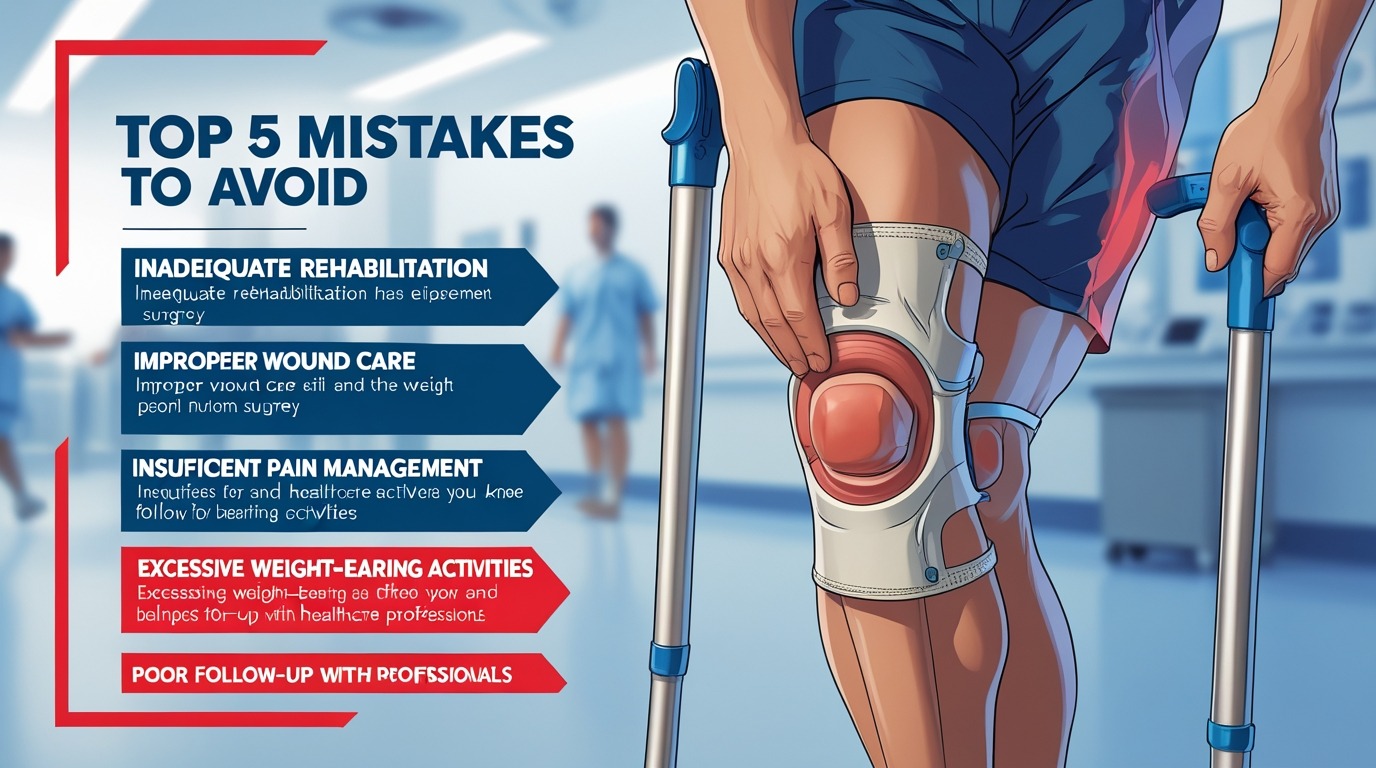
Recovering from knee replacement surgery is one of the most crucial stages of the healing journey. The surgery itself may bring relief from pain, but what truly determines success is how well you recover afterward. Many people don’t realize that small habits and simple oversights can cause setbacks. Understanding the top 5 mistakes after knee replacement can save you from discomfort, stiffness, or prolonged recovery. Whether you’ve had a partial or total replacement, your daily actions, consistency, and discipline matter far more than you may think. The process requires patience, awareness, and strict adherence to your doctor’s guidance to ensure the artificial joint adjusts smoothly and provides long-lasting relief.
Ignoring Physical Therapy and Exercises
Among the top 5 mistakes after knee replacement, neglecting physical therapy is the most common and damaging. After surgery, your muscles are weak, and the new joint needs guided movement to regain flexibility. Physical therapy ensures your knee learns to bend, straighten, and bear weight correctly. Some patients avoid exercises due to discomfort or fear of pain, but doing so delays recovery and may cause stiffness. Therapy isn’t optional—it’s a necessity. Each exercise, from simple leg lifts to walking routines, strengthens the joint and prevents long-term complications. Working with your physical therapist consistently builds confidence and restores function, helping you move freely again. The key is to start slow but stay consistent.
Overexerting Yourself Too Soon
Another of the top 5 mistakes after knee replacement is doing too much too soon. After surgery, many patients feel motivated and try to walk long distances or return to normal activities prematurely. While enthusiasm is good, overdoing physical activity before your body is ready can cause swelling, pain, or damage to the implant. The knee needs gradual adjustment. Resting and allowing the body to recover is just as important as exercising. Overexertion can lead to inflammation that slows down healing and may even require medical intervention. To avoid this, always follow your surgeon’s timeline, take breaks, and increase activity in stages. Healing isn’t about speed—it’s about steady progress that strengthens your knee naturally.
Neglecting Pain and Swelling Control
Pain and swelling are part of the healing process, but ignoring them is one of the top 5 mistakes after knee replacement. Some people assume that discomfort is normal and fail to manage it properly, while others rely too much on painkillers instead of using proper care techniques. Swelling that persists without control can lead to joint stiffness and restricted movement. Applying ice packs, elevating the leg, and wearing compression stockings help manage inflammation.
Regular icing for 20 minutes at a time and gentle massages can improve blood flow and reduce soreness. Medication should only be taken as prescribed, never overused. Controlling pain early allows better mobility, helping you continue exercises without unnecessary strain. Ignoring these signs only delays recovery and increases frustration.


Skipping Proper Wound and Hygiene Care
One of the most dangerous of the top 5 mistakes after knee replacement is poor wound management. The surgical incision must remain clean and protected until it fully heals. Failing to follow your doctor’s wound care instructions can result in infection, which can be serious and may require additional surgery. Many patients remove bandages too early or expose the wound to water before it’s ready.
You should always wash your hands before touching the incision, keep the area dry, and change dressings as directed. Avoid using harsh products or creams not prescribed by your surgeon. Even mild redness or discharge should be reported immediately. Good hygiene not only ensures physical safety but also speeds up skin healing, reducing the risk of complications.
Returning to Normal Activities Too Quickly
A frequent addition to the top 5 mistakes after knee replacement is resuming regular life too soon. Some patients feel ready to drive, climb stairs, or perform household chores within weeks, not realizing their body is still adapting. The knee joint, muscles, and ligaments need time to build strength and stability. Rushing back to normal routines can cause strain, imbalance, or even falls. Most doctors recommend waiting at least six to eight weeks before resuming full activity, depending on your progress. This period allows the new knee to integrate properly with surrounding tissue. Pushing limits early may lead to setbacks that prolong recovery by months. It’s better to heal slowly and correctly than risk starting over due to impatience.
Forgetting Nutrition and Hydration
Another overlooked aspect of the top 5 mistakes after knee replacement is neglecting diet and hydration. Healing requires proper nutrients, and what you eat directly affects how fast your body recovers. Protein-rich foods like fish, eggs, and legumes help rebuild tissues, while vitamins A, C, and D boost immunity and collagen production. Staying hydrated keeps joints lubricated and reduces inflammation. On the other hand, processed foods, sugary snacks, and excessive salt cause bloating and delay healing. Drinking plenty of water and eating balanced meals ensures better energy and wound recovery. Nutrition isn’t just about food—it’s a powerful tool to make your body stronger and more resilient after surgery.
Ignoring Follow-Up Appointments
Missing follow-up visits is another of the top 5 mistakes after knee replacement. Post-surgery appointments are designed to monitor healing, check for infection, and ensure the implant is functioning correctly. Skipping them may lead to unnoticed problems that grow worse over time. Doctors may need to adjust medications, review physical therapy progress, or recommend additional imaging tests to confirm joint alignment. Even if you feel fine, attending these appointments ensures long-term joint health. Think of them as checkpoints on your road to recovery. Regular medical guidance keeps your recovery on track and helps you avoid unexpected complications.
Using Incorrect Walking Techniques or Aids
Improper use of walking aids is one of the often-forgotten top 5 mistakes after knee replacement. Using a cane or walker incorrectly can put uneven pressure on the recovering leg. It may also cause bad posture or hip strain. Walking aids are meant to support balance, not replace natural movement. Your physical therapist will teach you how to use them correctly, including proper grip and stride techniques. The device should be at the right height, allowing your arms to stay slightly bent when walking. Gradually, as your strength improves, transition to walking independently. Using aids the right way prevents unnecessary stress and builds your confidence safely.
Overlooking Mental Health and Motivation
Mental well-being plays a big role in recovery and connects deeply with the top 5 mistakes after knee replacement. Some people experience frustration or sadness during healing, especially when progress feels slow. Ignoring mental health can lead to lack of motivation or skipping exercises. Staying positive is key. Setting small goals and celebrating milestones keeps you motivated. Engaging with family, joining support groups, or meditating can improve mental resilience. Recovery isn’t just physical—it’s emotional too. A strong mindset makes pain easier to manage and encourages consistency in rehabilitation efforts. Patience and positivity are your best companions during this journey.
The Role of Rest and Sleep in Recovery
Poor rest habits also rank among the top 5 mistakes after knee replacement. Quality sleep allows the body to repair tissues, reduce swelling, and strengthen immunity. Without enough rest, the healing process slows down, and fatigue sets in. Create a comfortable sleeping environment where your knee is slightly elevated on a pillow to minimize swelling. Avoid long hours of sitting or standing during the day. Taking short breaks to stretch or elevate the leg improves circulation. Balancing activity with rest gives your knee time to heal internally and externally, leading to a stronger outcome in the long run.

Building Long-Term Success After Surgery
Recovery doesn’t end once the incision heals; avoiding the top 5 mistakes after knee replacement should become part of your long-term lifestyle. Maintaining a healthy weight reduces strain on your knee joint. Regular low-impact activities like swimming, cycling, and walking keep your muscles strong without stressing the new joint. Always avoid high-impact sports or heavy lifting unless approved by your doctor. With continuous care, your new knee can last decades, offering stability, strength, and mobility for daily life. Think of recovery not as a temporary phase but as an investment in your lifelong comfort.
Conclusion
Recovering from knee replacement is a process that demands discipline, care, and consistency. Understanding and avoiding the top 5 mistakes after knee replacement—such as skipping therapy, overexerting, neglecting pain management, ignoring nutrition, and rushing back to normal activities—can make all the difference. Every careful step you take brings you closer to pain-free movement and a renewed sense of freedom. Healing may feel slow, but patience rewards you with lasting results. With the right balance of exercise, rest, diet, and positive mindset, your recovery will not only be successful but life-changing.